RPM Moves logo
RPM Moves logo

Freight Quote
Lithium Battery Transportation Services

Class 9 hazmat freight for bulk and commercial shippers — including damaged, defective, and recalled (DDR) units that parcel carriers refuse.
  • Covered in transit
  • Tracked carrier network
  • Door-to-door delivery
  • Specialist follow-up in one business day

No obligation • No spam • A specialist follows up within one business day

Scale

Scale built for Class 9

8,200+

Contracted carriers across the US and Canada

70+

Storage locations across the US and Canada

3.5

Accidents per million miles moved (2026 YTD)

50

US states covered, plus Canada

what we transport

Every configuration a commercial operation produces

Cell and pack manufacturers, EV and battery OEMs, distributors. Full truckload and LTL, UN-specification packaging, Class 9 documentation — new inventory moving from factory to distributor or assembly.
New cells and packs (bulk)

Equipment OEMs and energy storage integrators shipping battery-powered equipment. Configured battery freight under UN 3481, with packaging and documentation matched to the equipment type.
Batteries installed in equipment

Resellers and energy storage integrators moving battery inventory between facilities or buyers. Condition-verified freight with state-of-charge managed to shipping requirements.
Used and second-life batteries

Recyclers, warranty programs, and recall managers. The shipments parcel carriers refuse. Specialized DDR packaging rated to contain a single-cell thermal event, dedicated handling, and reverse logistics to a permitted destination.
Damaged, defective, and recalled (DDR)

Recyclers and take-back programs consolidating end-of-life packs. Compliant routing to permitted recycling facilities — coordinated with interim storage where batch consolidation is part of the job.
End-of-life batteries for recycling
DDR Battery Transport

Damaged, defective, and recalled batteries are the shipments parcel carriers will not touch
DDR batteries: handled when no one else will

USPS, FedEx, and UPS all refuse swollen, damaged, recalled, or defective lithium batteries through standard service, because a compromised cell can enter thermal runaway in transit. When a carrier refuses your load, it does not stop being your problem, and it does not stop being regulated. RPM moves DDR battery freight under the stricter handling that 49 CFR 173.185 requires for damaged and defective cells: individual protection against short circuit, cushioning and containment sized to the hazard, and packaging rated for the risk of a single-cell event. We coordinate the DDR-rated packaging, the carrier qualified to haul it, and the routing to a permitted destination.
USPS, FedEx, and UPS refuse swollen, recalled, or damaged lithium batteries. RPM moves them under the stricter handling 49 CFR 173.185 requires — DDR-rated packaging, a carrier qualified for the hazard, and routing to a permitted destination.
DDR-rated packaging
Steel drums or specialized crates designed to contain a single-cell thermal event — not fiberboard
Carrier qualified for the hazard
Screened to RPM's onboarding criteria and booked against the specific DDR load, not general hazmat capacity
Routing to a permitted destination
Compliant routing plus interim storage where staging is part of the recall or recycling job
Damaged and defective lithium battery handling
Why RPM

Why commercial shippers choose RPM

01

Class 9 built in, not bolted on

Packaging, placarding, documentation, and qualified carriers — coordinated as one program, not assembled per shipment.

02

icon

DDR capability most forwarders skip

Damaged, defective, and recalled batteries that parcel carriers refuse are a core part of our program — not an edge case.

03
icon

Scale that sets the price

8,200+ contracted carriers and 70+ storage locations across all 50 states and Canada. We buy capacity at scale and pass the price to the load.

04

A tracked safety metric

Carriers in the network recorded 3.5 accidents per million miles moved (2026 YTD). Screened to RPM's onboarding criteria including MVR checks.

05

One partner, fewer handoffs

Transport, compliant storage, and reverse logistics under a single managed relationship — no second vendor for staging.

Compliance

UN 38.3 certification and compliant packaging — confirmed before the freight moves
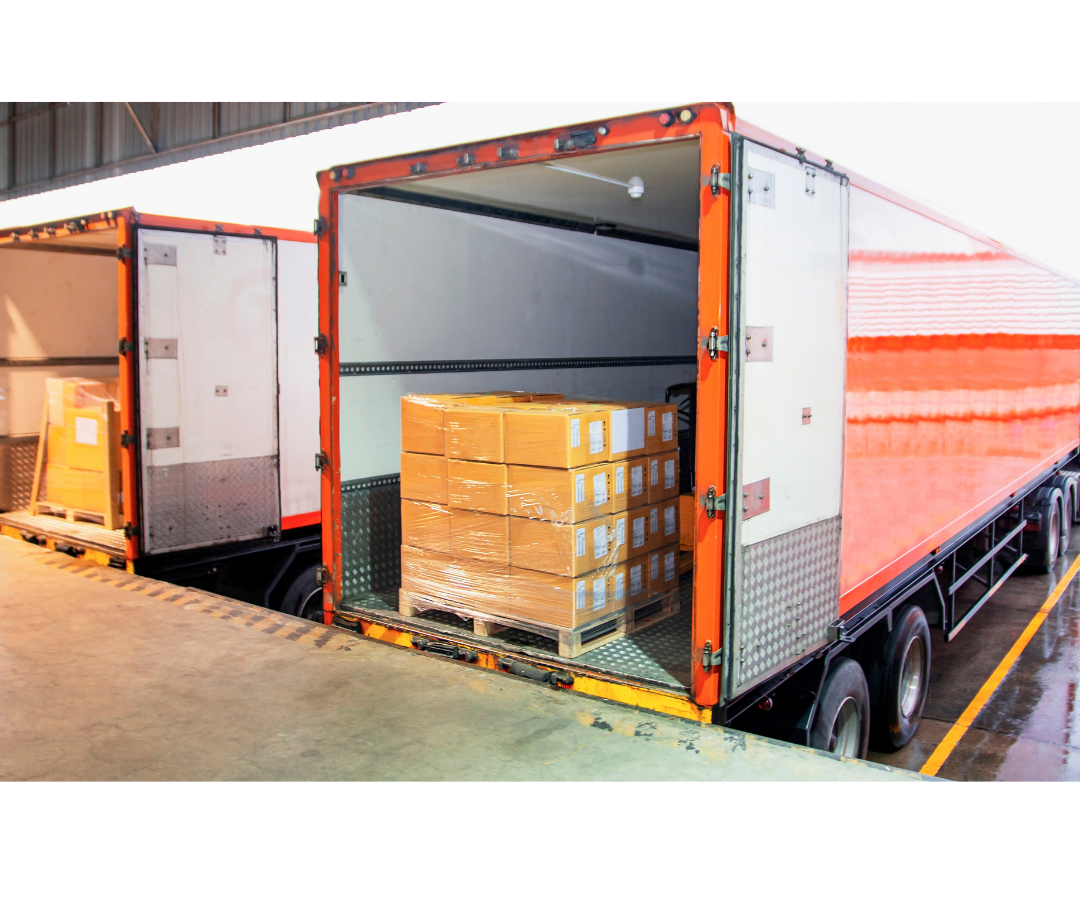
Packaging is where most lithium battery shipments pass or fail compliance. Fully regulated batteries require UN-specification packaging rated for the chemistry and watt-hours, with each cell protected against short circuit and movement inside the box. Damaged, defective, and recalled units go further — packaging designed to contain a single-cell thermal event, which for larger packs often means rated steel drums or specialized crates. Every lithium cell and battery in commercial transport must also carry a passing UN 38.3 test summary, the United Nations standard that qualifies a battery design as safe to ship. Without it, a battery is not legal to transport. RPM builds both requirements into intake — we confirm UN 38.3 documentation and specify the packaging before the freight moves.
UN-specification packaging
Matched to chemistry, watt-hours, and condition — not a generic box
UN 38.3 documentation
Confirmed at intake before your freight moves — a missing test summary is caught at the dock, not at a rejected delivery
Class 9 labels and placards
Applied correctly for road mode per 49 CFR 173.185
Shipping papers and Shipper's Declaration
Prepared where required — no missing paperwork at the dock
State-of-charge management
For shipments subject to charge limits, including the 30% SOC cap for lithium-ion air freight as of January 1, 2026
Compliant lithium battery packaging for Class 9 freight
Classification

How lithium batteries are classified for transport

Classification decides everything downstream: packaging, labeling, and whether a shipment is fully regulated or ships under an exception. The dividing lines are watt-hours for lithium-ion and grams of lithium for lithium-metal.

UN NumberConfigurationFully regulated when
UN 3480
Lithium-ion, standalone
Cells > 20 Wh or batteries > 100 Wh
UN 3481
Lithium-ion, in or with equipment
Above small-cell thresholds
UN 3090
Lithium-metal, standalone
Cells > 1 g or batteries > 2 g lithium
UN 3091
Lithium-metal, in or with equipment
Above small-cell thresholds
UN 3551 / 3552
Sodium-ion and other chemistries
Per current rule — newer chemistries entering the rulebook
Pricing

What lithium battery freight costs

There is no flat rate for Class 9 battery freight — cost is driven by the hazard, not just the miles. RPM sources across 8,200+ carriers, matching each load to a carrier already qualified and priced for the hazard rather than paying a premium for scarce Class 9 capacity on the spot market.

Cost driverEffect on price
Battery condition
DDR and recalled units cost more — specialized packaging and dedicated handling
Volume and mode
Full truckload rates differ from LTL; consolidation lowers per-unit cost
Packaging requirements
UN-spec and DDR-rated packaging add material and labor
Lane and distance
Origin, destination, and lane density set the base rate
State of charge / chemistry
Charge limits and lithium-metal content can restrict carrier options
Storage and staging
Interim storage, consolidation, and repositioning add scope
Industries

Who this program is built for

Bulk and commercial lithium battery freight only — not consumer parcels or single-device shipments.

01

icon

Battery and cell manufacturers

Shipping new inventory to distributors and OEMs — full truckload and LTL.

02

icon

EV and equipment OEMs

Shipping battery cells and packs to and from assembly, including installed configurations.

03

icon

Energy storage integrators

Handling large-format packs and second-life battery inventory between sites.

04

icon

Recyclers and take-back programs

Consolidating end-of-life and DDR batteries for compliant routing to permitted facilities.

05

icon

Recall and warranty managers

Compliant reverse logistics for recalled or defective units — fast, documented, and routed correctly.

Process

How it works

01

Tell us what is moving

Chemistry, configuration (standalone, installed, or packed with equipment), condition, volume, origin, and destination. With that we can classify the freight.
02

We build the compliant plan

Packaging spec, classification, carrier match, and routing — with storage if your recall or recycling program needs it. Recurring lanes are set up once and run on repeat.
03

The freight moves, documented

Correct labels, placards, and shipping papers, carried by a qualified driver, tracked to delivery. No missing documentation at the dock.

Ready to move battery freight?

Tell us what is moving and we will build a compliant plan. 8,200+ contracted carriers. DDR capability. All 50 states and Canada.

Lithium Battery Freight FAQs

Yes. Damaged, defective, and recalled (DDR) lithium batteries are a core part of RPM's program, and they are exactly the shipments parcel carriers refuse. We coordinate the DDR-rated packaging required under 49 CFR 173.185, a carrier qualified to haul it, and compliant routing to a permitted destination.

Yes. Lithium batteries are regulated as Class 9 miscellaneous dangerous goods in the United States. Commercial and bulk shipments are almost always fully regulated, which means UN-specification packaging, Class 9 labeling and placarding, and trained carriers are required.

Yes, and ground is the primary mode for bulk commercial battery freight. RPM moves Class 9 lithium batteries by road across all 50 states and Canada as full truckload and LTL freight, with the packaging and documentation matched to each load.

When USPS, FedEx, or UPS decline a load because it is damaged, recalled, oversized, or bulk, a Class 9 freight program is the path forward. RPM is built for exactly these shipments, coordinating compliant packaging, a qualified carrier, and legal routing.

Cost depends on battery condition, volume and mode, packaging requirements, lane and distance, and any storage or staging. DDR and recalled units cost more because of specialized handling. Because RPM sources across more than 8,200 carriers, we price each load to a carrier already qualified for the hazard.

RPM's managed program covers the US and Canada. For cross-border and international battery freight, contact our team to scope the requirements before you ship.

Battery chemistry (lithium-ion or lithium-metal), configuration (standalone, installed, or packed with equipment), condition, watt-hours or lithium content, quantity, origin, and destination. With that, we can classify the freight and build a compliant plan.

Standard parcel carriers refuse lithium batteries that are damaged, defective, recalled, swollen, or oversized, because a compromised cell can enter thermal runaway in transit. Bulk and standalone shipments also exceed what parcel service allows. Those loads move as Class 9 freight instead, which is the program RPM runs.

UN 38.3 is the United Nations standard that qualifies a lithium battery design as safe to transport, using eight tests that cover altitude, thermal cycling, vibration, shock, short circuit, impact, overcharge, and forced discharge. A battery without a passing UN 38.3 test summary is not legal to ship. RPM confirms the documentation before your freight moves.

Fully regulated lithium batteries require UN-specification packaging matched to chemistry and watt-hours, with each cell protected against short circuit and movement. Damaged, defective, and recalled units need packaging rated to contain a single-cell thermal event, often steel drums or specialized crates. RPM specifies the packaging per load.